



Mallory Moss
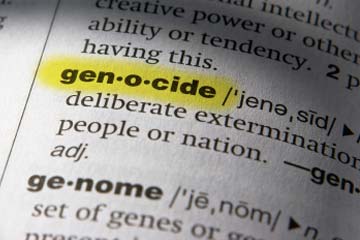
In 1994, 20 years ago this month, the slaughter of an estimated 500,000 to 1,000,000 Rwandan men, women, and children took only 100 days to earn it’s “genocidal status.” Watching the ongoing news coverage has reminded me of the ongoing struggle of commentators and writers to find the correct label for the murders du jour. It was during this immersion that I was reminded of the phrase “ethnic cleansing” and realized its obscenity. What other word in English (or any other language for that matter) equates the murder of innocents (or even not-so-innocents) to purification?
According to Encyclopedia Britannica, the term “ethnic cleansing” comes from a literal translation of the same words in Serbo-Croatian and was used in conjunction with the massacres of ethnic groups in Bosnia and Herzegovina, Croatia, and East Timor during the 1990s. Encyclopedia Britannica also points out that the phrase is controversial, not for its connotation, but for the question of whether or not it is the same as genocide. Using “ethnic cleansing” to discuss ethnocide is tantamount to using the phrase “Final Solution” to discuss the Holocaust. Murder is murder; there is nothing pure about it.
I have knowingly walked along two sites of mass death: once when I was “touring” the barracks at Dachau; the other when I was in Guba, Azerbaijan, and within inches of the skeletal remains of children. Neither time did it occur to me to define whether these were results of genocide, ethnocide, massacre, or pogrom. I was faced with horror and as a result was sorrowful – a human response to inhuman circumstances.
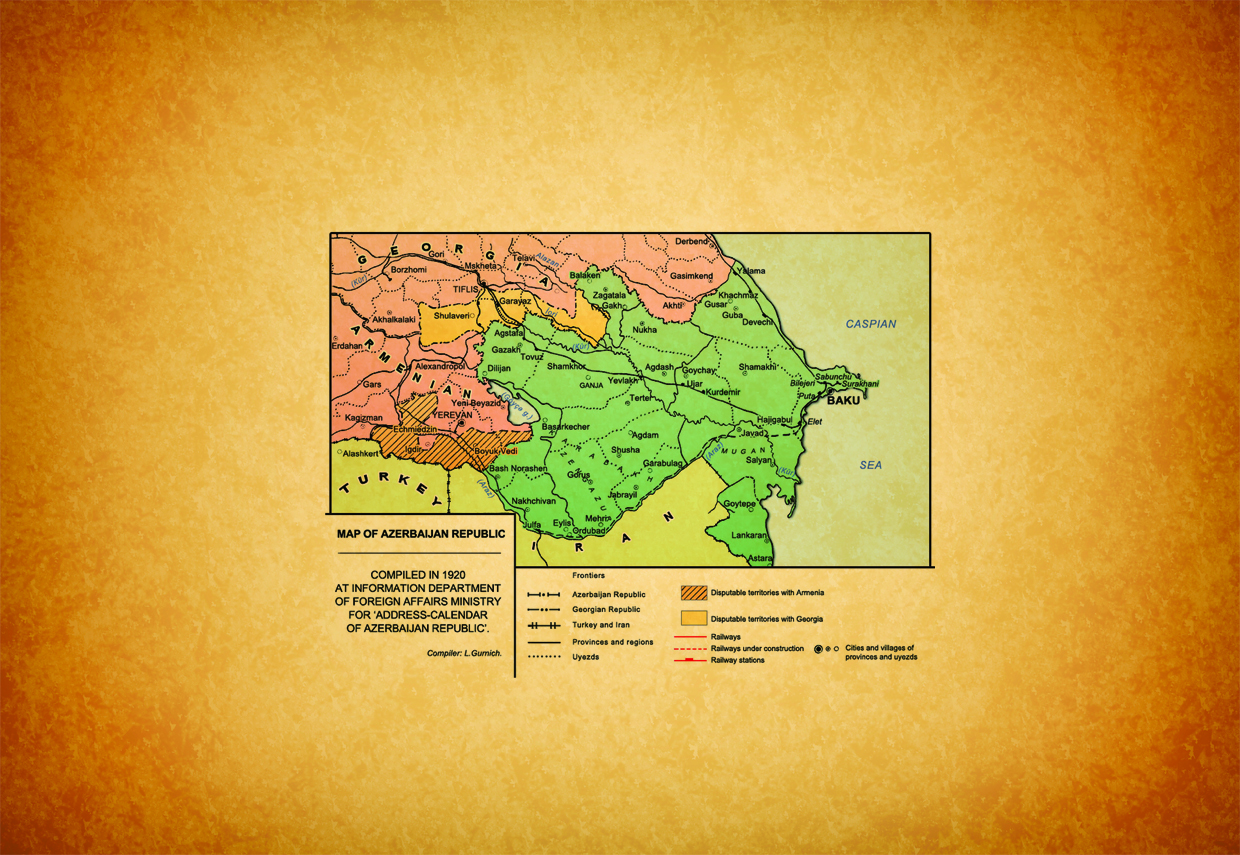
When I investigated the circumstances of the mandibles, femurs, and tiny skulls amassed before me, again I was confronted with a linguistic battlefield. Azeris have termed the eradication of their villages during the 20th Century as genocide perpetrated by the Armenians (with the periodic assistance of the Russians). Opponents disagree and have labeled these events as “tragedies.” So let’s look at definitions with the help of Merriam-Webster. Tragedy is defined as “a very bad event that causes great sadness.” To call a mass murder a “tragedy” is demeaning and seems to be bereft of the value of life.
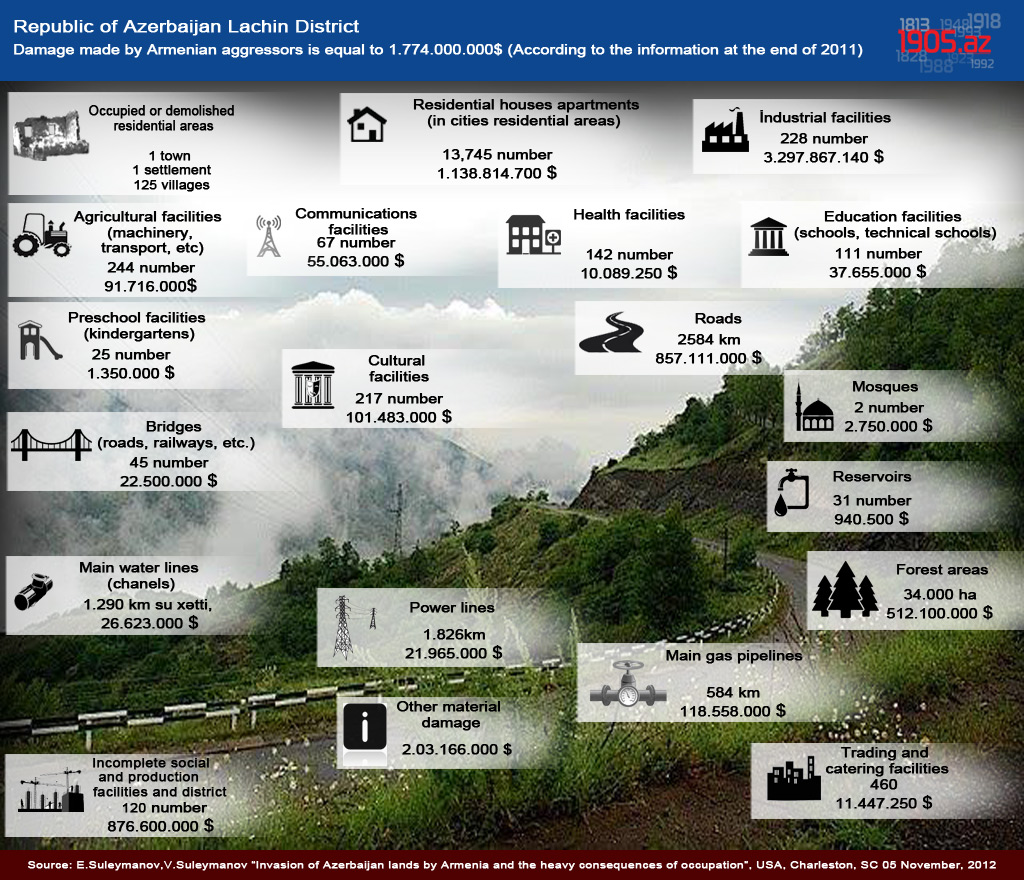
On February 25th and 26th of 1992, shortly after Azerbaijan became an independent republic, Armenian forces captured the airport city of Khojaly and instead of allowing the citizens to flee, they chose to murder them instead. I discuss these two February days because what happened is hotly contested. What is not under debate was that 613 civilians were murdered (including 106 women and 63 children) but instead it is the terminology that has caused offense. The Armenians hotly contest that these murders were not a genocide and instead caused by the Azeri soldiers attempting to camouflage among the “complicit citizens.” Even if true, and its veracity is questionable, is this not the same as stating that the fleeing captives at the Nazi death camp Sobibor were responsible for those shot along the fence during their escape? Were the Bielski brothers the cause of Jewish deaths in the forests of Poland or were they responsible for one of the greatest rescues of Jews from a Nazi-occupied country?
So confused was I about terms at this point, I decided to create a murder flowchart. Is the killing deliberate? If so, it is murder. Are more than three people murdered? Then, according to the FBI, it is a mass murder. Now the numbers get vague. There does not seem to be a specific value that changes a mass murder into a massacre. However there are various qualifiers that identify a massacre: “atrocious, cruel, unnecessary, and indiscriminate.”
Yes, you read the first three adjectives correctly. Perhaps it is my bleeding heart at play, but I have been wracking my brain to come up with a multiple murder that is not “atrocious, cruel and unnecessary” and have failed miserably. Indiscriminate is really the only adjective with a substantial indication. Were the killings in Khojaly indiscriminate? The murderers shot into crowds of fleeing families, so yes, the criterion seems met.
Once we add the context of race and ethnicity into the various definitions of murder, the door to more dramatic definitions opens. Merriam-Webster defines genocide as the killing of people that are part of a political, cultural, or racial group. This seems to be the most open and straightforward definition of genocide. Encyclopedia Brittanica’s definition requires the murders to be systematic to be labeled genocide. A pogrom requires organized killing of helpless people, usually because of race or religion. And “ethnic cleansing” doesn’t necessarily require murder (it can be “removal”) but for those displaced it is likely tantamount to both.
Now, with all that said, does any of it matter? Not a bit. For who decides whether a group of killings is systematic or organized? Does there have to be a game plan or is the indiscriminate slaughter of people based on race, religion, or culture “good enough” to count as genocide? Once again we are brought to the morbid juxtaposition of the linguistics of death. Are there people counting bodies, verifying premeditation, and checking levels of systematization of murder? Or are there politically based lobbies that push for one set of murders to be demoted to tragedy when, in fact, so much more.
I know the bones that I saw in Guba were not those from Khojaly, just as I know they weren’t from any other graveyard in the world. But the skeletons in Guba, with their unnatural weaving of limbs, reached out to me and represented the children of genocide everywhere – Babi Yar, Rwanda and the Trail of Tears – and frankly at that point, semantics didn’t mean a damn thing.
So what “-cide” are you on? Do the bodies of 169 women and children rate high enough in your book to be a genocide? My mandate to those people vehemently arguing terms: stop counting corpses. Look instead to the intent of those that are shooting the bullets, cleaving the limbs, or starving the children. Were the victims murdered because they were Tutsi, Jewish, Muslim, Mormon, or any other religion or ethnicity distasteful to the ruling or invading party? Were the victims transported in cattle cars or forced to walk thousands of miles for relocation? This is not “cleansing” or “removal.” This is eradication based on culture, ethnicity and/or religion. This is genocide.
Source: www.thehill.com ( Congress Blog)
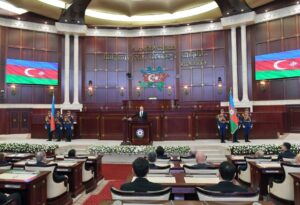 Inauguration ceremony of President of Azerbaijan Ilham Aliyev was held
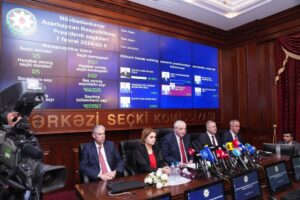 Ilham Aliyev wins presidential election with 92.05 percent of votes VIDEO
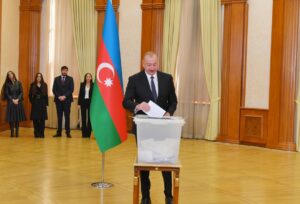 President Ilham Aliyev, First Lady Mehriban Aliyeva and family members voted in Khankendi VIDEO
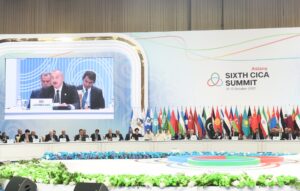 Plenary session of 6th Summit of Conference on Interaction and Confidence Building Measures in Asia gets underway in Astana. President Ilham Aliyev attends the plenary session VIDEO
 President Ilham Aliyev was interviewed by Azerbaijani TV channels in Prague VIDEO