






From the decree of the President of the Republic of Azerbaijan Heydar Aliyev on “Genocide of Azerbaijanis”, March 26, 1998

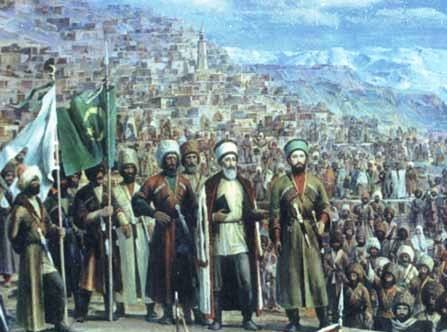
Manuk Abeghian, well-known literary critic, linguist, folklorist, academician: “… where the roots of the Armenian people are, how, when, at what time, from where and in what ways they have come here … We do not have exact and tangible evidence of this.” (“History of Armenian Literature”, Yerevan, 1975).
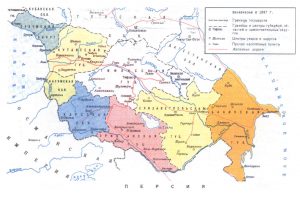
When the Armenian Question appears on the agenda, it is stated that the Turks are not in a position to make an objective decision. The Westerners claim that only the Turks have negative convictions about the Armenians. However, the opinions and thoughts about the Turks and Armenians in different sources are often put forward without reflecting on the reality.
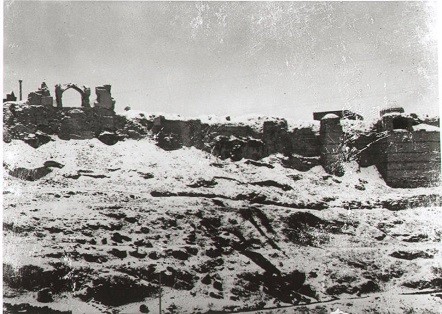
During the world war, Russian military power kept any recurrence of the 1905 troubles between Armenians and Azeri Turks from breaking out. However, strife arose once again during the Russian Revolution when Russian power disappeared. The population of the largest city of Azerbaijan, Baku, was made up primarily of Turks, Armenians, and Russians. Because of the highly developed oil industry in Western Transcaucasia, Baku was an industrialized city and had a large class of industrial workers. The effects of the Russian Revolution thus were seen in Baku more than in the rest of the Transcaucasian region. The city was ruled by a revolutionary government (the so-called Baku Commune) in which most power was held by the Dashnak Party and the Bolsheviks.
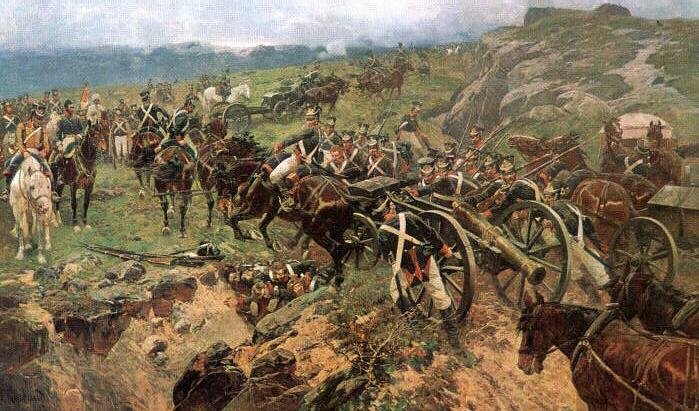
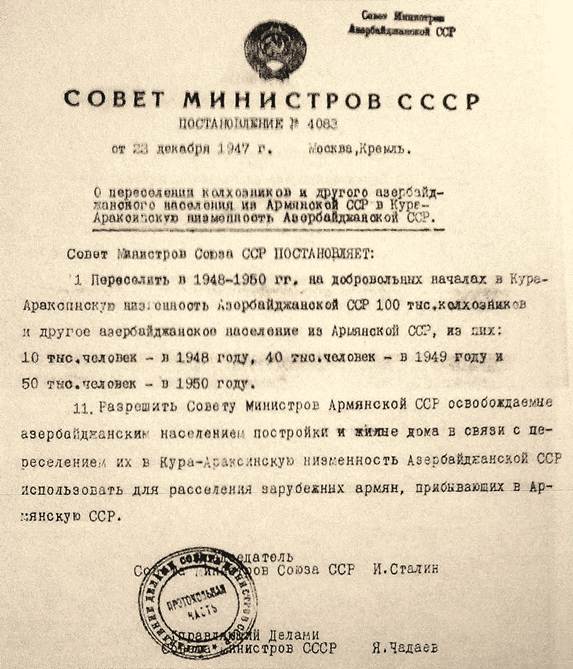
The initial deportation of Azerbaijani Turks from Western Azerbaijan (present-day Armenia) was launched upon the annexation of Eastern Georgia by Russia in 1801, later the invasion of Shamshaddil and Loru-Pempek regions by Russia.
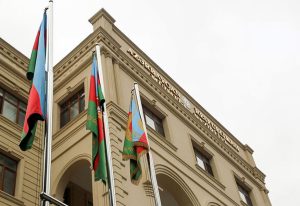
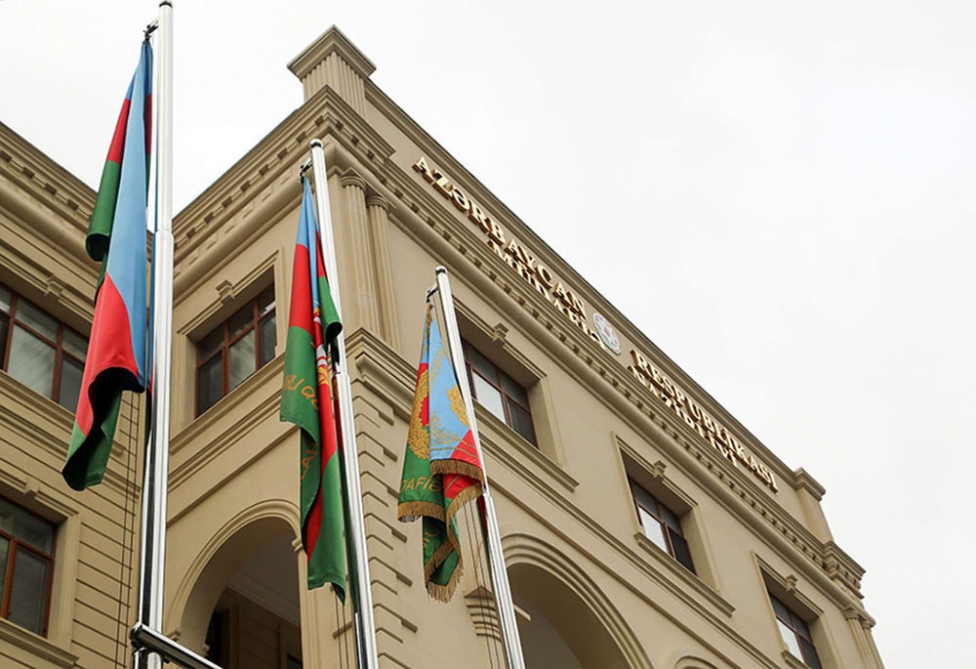
“On November 15 starting from 16:15 to 04:30 on November 16, the Armenian armed forces units from the positions in the direction of the Azizli, Zarkand, Ashaghi Shorzha, Dara, Goysu, and Pambak settlements of the Basarkechar district, Chinarli, Mosesgekh, Yukhari Mehrab, Aygepar and Gulali settlements of the Shamshaddin district, as well as Jil settlement of the Chambarak district using various caliber weapons subjected to intensive fire the Azerbaijan Army positions in the direction of the Yellija and Barmagbina settlements of the Kalbajar district, Galakand, Daryurd, Novoivanovka, Garavalilar settlements of the Gadabay district, Aghbulag, Aghdam, Garalar, Gosha, Kokhanabi, Hajally, Alibayli and Asrik Jirdakhan settlements of the Tovuz district, as well as Kohnegishlag settlement of the Aghstafa district, Ministry of Defense of Azerbaijan told AZERTAC.
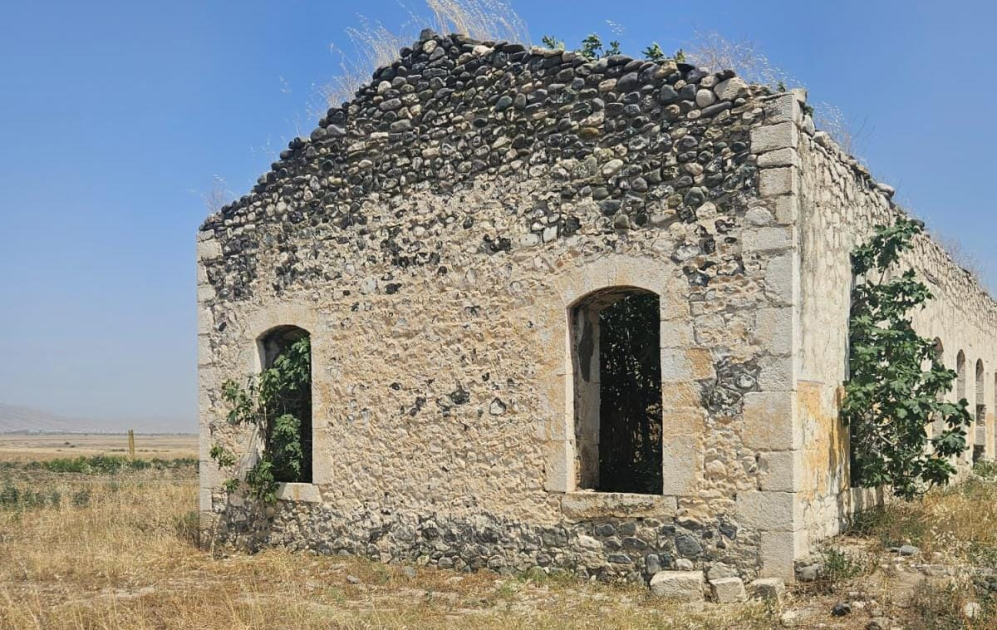
Azerbaijan has completed an inventory of 25 additional monuments, including 16 archaeological and 9 architectural sites, located in the liberated territories.
Europe’s dirty “democracy ” game
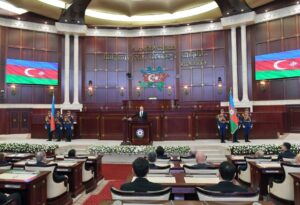 Inauguration ceremony of President of Azerbaijan Ilham Aliyev was held
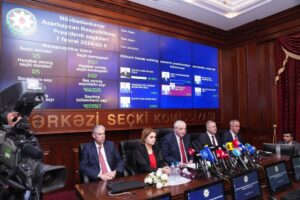 Ilham Aliyev wins presidential election with 92.05 percent of votes VIDEO
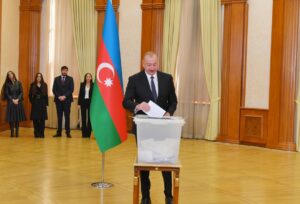 President Ilham Aliyev, First Lady Mehriban Aliyeva and family members voted in Khankendi VIDEO
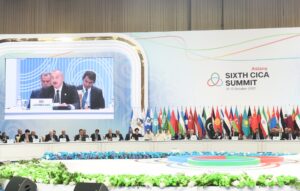 Plenary session of 6th Summit of Conference on Interaction and Confidence Building Measures in Asia gets underway in Astana. President Ilham Aliyev attends the plenary session VIDEO
 President Ilham Aliyev was interviewed by Azerbaijani TV channels in Prague VIDEO
Interview


“In general, one of the untouched topics is Khojavand.”

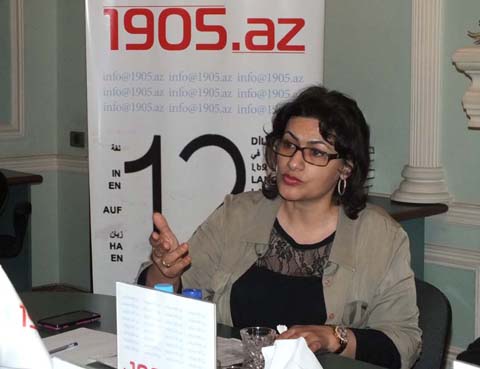

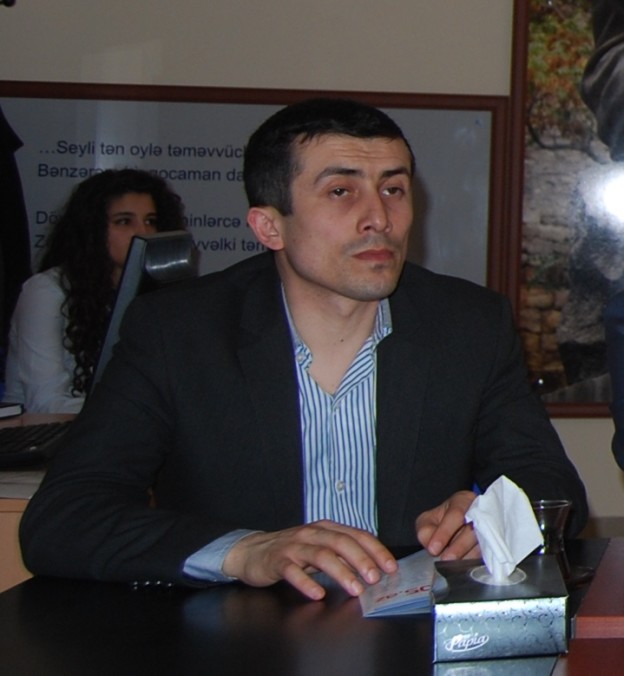

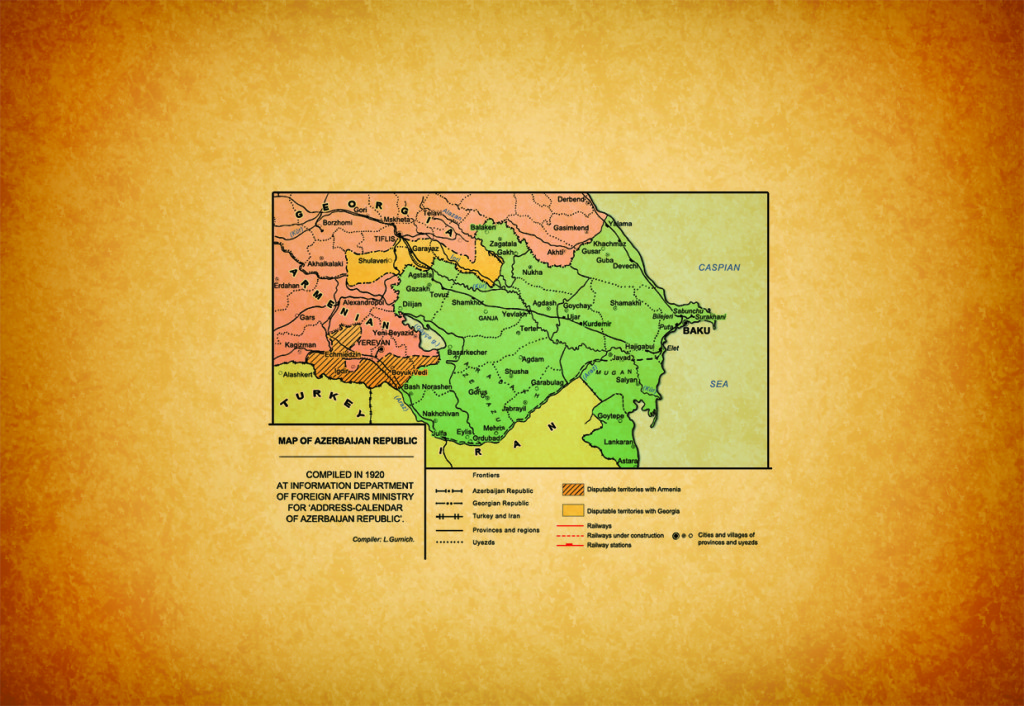
Historical Azerbaijan
Democratic Republic of Azerbaijan
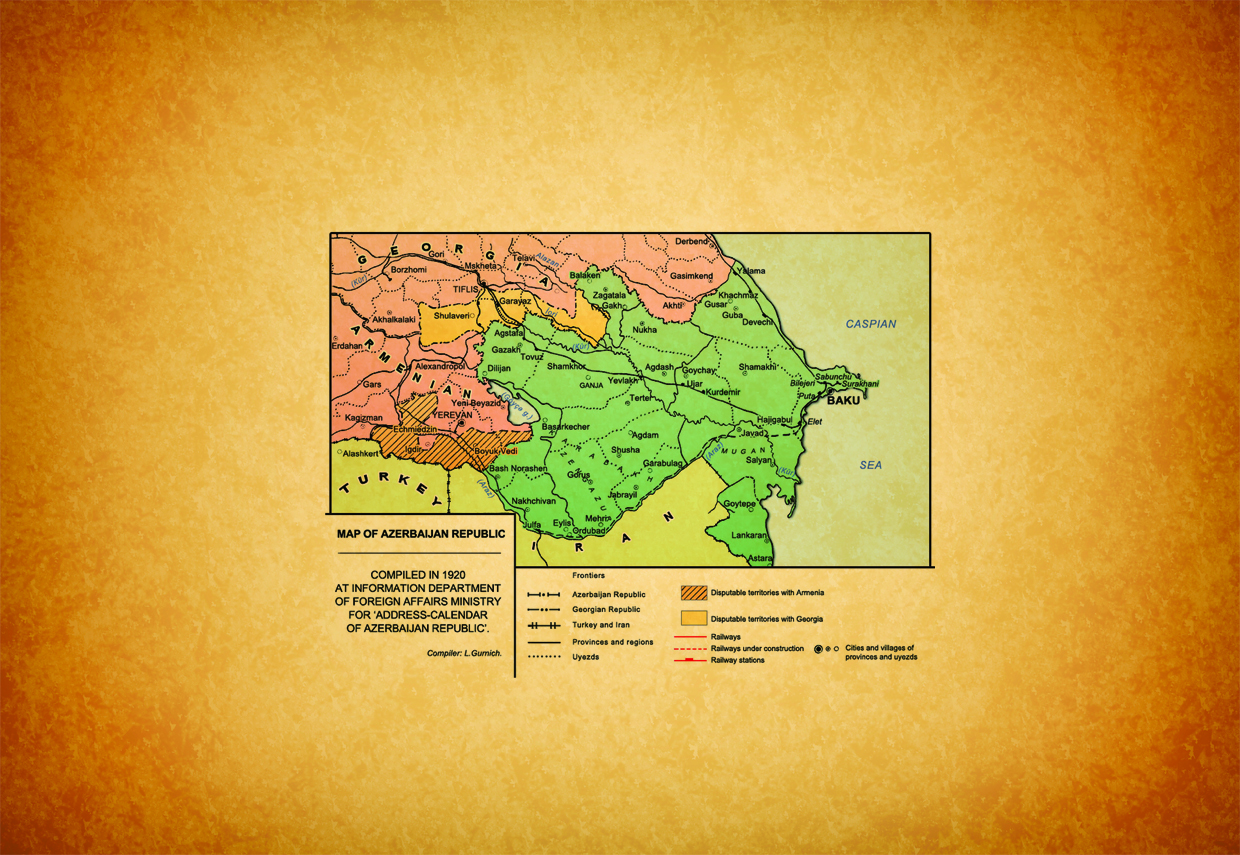
On February 23, 1918, the supreme governing body of the South Caucasus -the Transcaucasian Seim was created.
Heritage
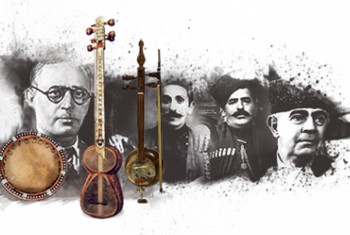
Karabakh Mugham School
According to a UNESCO decision, the Mugham of Azerbaijan has been proclaimed a Masterpiece of the Oral and Intangible Heritage of Humanity. In Azerbaijan proper, where the Mugham is perceived as an integral part of a system of fundamental cultural values of the Azerbaijani people, this decision is viewed both as a recognition of the merits by outstanding representatives of the genre and as a desire to attract the attention of the world’s cultural community to this unique heritage.
Buchmendel
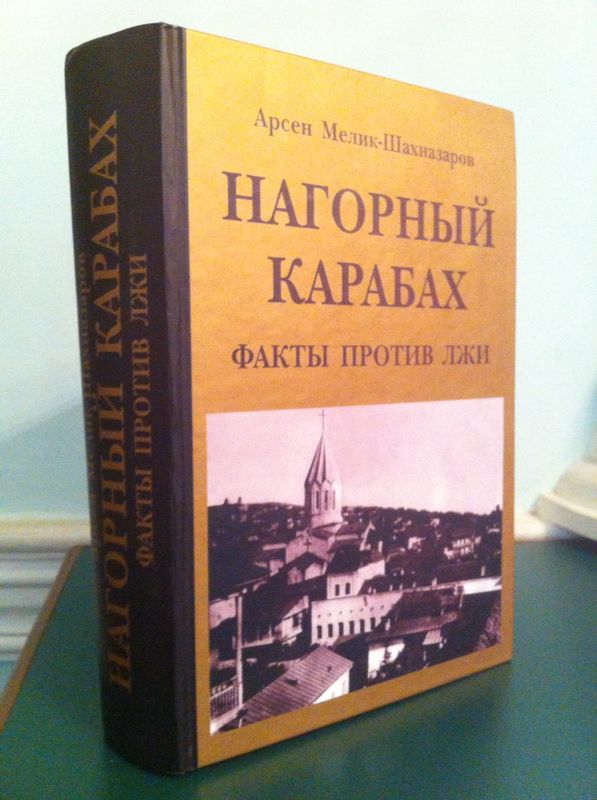
RETROSPECTİVE – Arsen Malik-Shahnazarov`s word game facts
The book titled “Nagorno Karabakh: facts versus lies” (Нагорный Карабах: факты против лжи) by Arsen Malik-Shahnazarov, advisor to the Minister of Foreign Affairs of the so-called Nagorno Karabakh Republic since 1993, was printed in 3,000 copies by Volshebniy Fonar publishing house (Moscow).